How to Clean Tile Floors
A tile floor has a funny way of hiding dirt until it doesn’t. One minute it looks fine, the next you’re noticing streaks, dull patches and grout that’s gone a few shades darker than it should be. If you want to know how to clean tile floors, the good news is it doesn’t need to be complicated.
Here’s a quick how-to guide to get you started.
In Summary:
- Start with a dry sweep or vacuum, then mop carefully to avoid streaks. For grout, use a firm brush and targeted cleaner.
- Regular upkeep keeps tiles looking fresh, while our Deep Cleaning Machine and Grout & Tile products handle stubborn grime and deeper refreshes. Quick messes can also be managed with the Everyday Range.
Start with a dry clean
Drop the mop. First things first, you’ll want to sweep or vacuum the floor. Loose dirt and grit can get pushed around once water hits the tiles, which leaves streaks and a cloudy finish. This first step is how you clean tile floors without leaving residue, because you’re not mixing surface dirt into the clean.
How to clean ceramic tile floors
Ceramic tiles respond well to regular sweeping and a mop with clean water and a suitable cleaner. Too much product can leave a film behind, so keep it light. A microfibre or rag mop is often better than a sponge mop, which can push dirty water into the grout lines.
For a regular clean:
- Sweep or vacuum first.
- Mop with clean water and a suitable cleaner.
- Change the water if it starts looking dirty.
- Dry the floor if needed to help avoid streaks.
How to clean porcelain tile floors
Cleaning porcelain tiles is similar to how you clean ceramic tiles. Porcelain is durable, though it can start looking cloudy if detergent builds up on the surface. If the floor feels sticky or looks hazy after mopping, too much product will be the culprit.
A lighter hand works best:
- Use a small amount of cleaner
- Don’t let dirty water sit on the floor
- Rinse or refresh mop water as needed
- Dry the surface if it still looks streaky
Some tiles need extra care
Natural stone tiles need a gentler approach than ceramic or porcelain.
Stone surfaces like marble, slate and granite can react badly to harsh or acidic cleaners, so make sure the product is safe for the tile before you start. DIY mixes can sound tempting, but they’re not always the safest option for every floor.
How to clean tile floors and grout
If you’re trying to work out how to clean tile floors and grout, it helps to treat them as two parts of the same job. The tiles need a surface clean, while the grout often needs more focused attention because it’s porous and holds onto dirt, grease and splashes more easily.
A few smart rules make a big difference:
- Don’t flood the floor
- Avoid letting dirty water sit in grout lines
- Use a firm nylon brush, not a metal one
- Wipe away loosened grime as you go
If the grout needs extra help, our grout and tile cleaning range makes the job easier, and if soft surfaces nearby have picked up marks too, our golden rules for stain removal and full stain guide are handy to keep in mind.
How to clean floor tile grout
- Start by sweeping or vacuuming first
- Apply your grout cleaner carefully and leave it on for the recommended time
- Scrub gently with a nylon brush
- Once the dirt lifts, wipe or rinse it away.
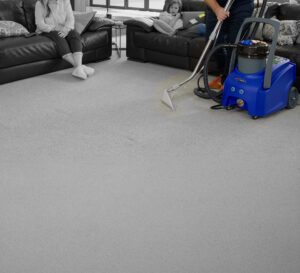
Grout can become discoloured over time because it’s constantly catching the things tiles don’t, especially in kitchens, bathrooms and entryways. Regular upkeep helps, but some floors still need a deeper refresh now and then, which is easily managed with our DIY Deep Cleaning Machine.
Keep it simple
The best way to stay on top of cleaning tile floors is to keep the routine simple. Sweep first, mop with care, go easy on the cleaning products, and give the grout a bit more attention when it starts looking tired.
And, if the grout still isn’t playing nicely, our hireable Deep Cleaning Machine makes it even easier to tackle a full refresh job yourself.
FAQs
How often should tile floors be deep cleaned?
High-traffic areas like kitchens, bathrooms and entryways usually need a deeper clean more often than quieter rooms.
What is the best way to clean grout between tiles?
Use a grout cleaner and a firm nylon brush, then wipe or rinse away the loosened dirt. A targeted clean usually works better than mopping over it again.
Can mopping alone properly clean tile floors?
It helps with day-to-day upkeep, but it won’t be enough for built-up grime, residue or dirty grout lines. That’s when tile and grout cleaning products or hiring a deep cleaner can come in handy.