Your carpet may look clean, but deep in the fibres can be a very different story. Dust mites, dander, pollen, bacteria and mould spores can all settle out of sight, building up long before you notice a stain or smell.
A little bit grim? Definitely. But something to pay attention to? Absolutely. Here’s our quick guide to what could be hiding in your carpet, the signs it could be affecting your household, and what you can do about it.
In Summary
- Carpet can trap dust mites, pet dander, pollen and mould spores that can trigger allergies, asthma symptoms and skin irritation in sensitive people
- Musty smells, ongoing sneezing and symptoms that ease outside the home can be warning signs
- Vacuuming helps with surface debris, but periodic deep cleaning removes more deeply embedded irritants
How can a dirty carpet affect your health?
Different people respond to indoor allergens in different ways. Some may notice symptoms quickly, while others may not be affected at all.
Respiratory issues and asthma triggers
Carpet can trap dust mites, pet dander, pollen and mould spores deep in its fibres. Then, every footstep, vacuum pass, or play session on the floor can send some of those particles into the air. If you suffer from asthma or allergies, it may mean more coughing, wheezing, sneezing, chest tightness or irritated eyes.
Allergy flare-ups
Do your sneezing fits seem to kick off as soon as you settle on the lounge room floor? Your carpet may be the cause because it’s holding on to allergens like pet dander, pollen and dust mite waste.
Possible symptoms include:
- Sneezing or a blocked, runny nose
- Watery, itchy or red eyes
- Coughing
- An itchy throat
- Increased asthma symptoms
Skin irritation and eczema
Allergens and irritants collected in carpet may come into contact with the skin, particularly when babies, children or pets spend plenty of time down at floor level.
Mould can also cause skin irritation or allergic reactions in some sensitive people.
Mould and ongoing symptoms
Mould needs moisture to grow, so carpet that’s been affected by flooding, leaks, high humidity or slow-drying spells can create the ultimate damp conditions it loves.
Ongoing exposure to mould can cause allergic reactions, irritated eyes, skin rashes and respiratory problems. It can also trigger asthma attacks in people who are allergic to mould.
If you have a persistent musty smell, you should investigate it, rather than another round of air freshener that’s offering no help.
Could your carpet be affecting your health?
Carpet-related allergens aren’t always easy to spot, but you might be given some clues. Look out for:
- Frequent sneezing, coughing or itchy eyes indoors
- Symptoms that improve after leaving the house
- A musty or damp smell
- Visible mould, discolouration or recurring stains
- Carpet that has recently been wet or flooded
- Increased symptoms after sitting or playing on the floor
- Heavy dust returning soon after vacuuming
These signs don’t confirm that carpet is causing your symptoms. They simply suggest it may be time to inspect your carpet, check for moisture and give it a proper clean.
What’s actually living in your carpet?
No need to grab the hazmat suit. Most carpet contains a mix of everyday particles brought in through open windows, shoes, pets, and normal household life. Common culprits include:
Dust mites
Microscopic creatures that feed on organic matter found in household dust. Their waste can trigger allergies and asthma in sensitive people.
Pet dander
Tiny flakes of skin shed by animals. Unlike pet hair, dander is very small and can settle deep into soft furnishings and carpet.
Mould spores
Mould spores are naturally present in the air, but they may begin growing when they land on damp carpet.
Bacteria
Shoes, pets, food spills and everyday mess can introduce bacteria to the carpet. Regular cleaning helps remove the dirt and residue they travel in.
What can you do about dirty carpet?
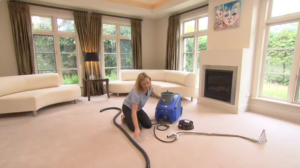
Vacuuming handles the surface. But a carpet deep clean goes further, lifting the dirt, grime and allergens trapped deeper in the fibres. Luckily, we know a DIY deep cleaning machine you can use.
Please note that symptoms outlined in this blog can have many causes, and any ongoing or severe reactions should always be discussed with a healthcare professional.
FAQs
Can dirty carpets cause breathing problems?
Carpets can hold dust mites, pet dander, pollen and mould spores that may trigger coughing, wheezing or asthma symptoms in sensitive people. Breathing difficulties can have many causes, so seek medical advice for persistent, severe or unexplained symptoms.
Do dust mites live in carpet?
Dust mites can be found in carpet and other soft furnishings where household dust collects. They don’t bite, but their waste may trigger allergic reactions or asthma symptoms. Regular vacuuming and periodic deep cleaning can help reduce the dust and debris within carpet fibres.
Is deep cleaning carpet better than vacuuming for allergy sufferers?
Deep cleaning and vacuuming each have a job to do for allergy sufferers.
- Vacuuming is important for removing loose dust and debris, particularly when done regularly with a suitable filtered vacuum.
- Hot water extraction (deep cleaning) reaches further into the carpet to remove embedded dirt and residue
For allergy sufferers, regular vacuuming plus periodic deep cleaning makes a stronger cleaning combination.